Machi Wachi
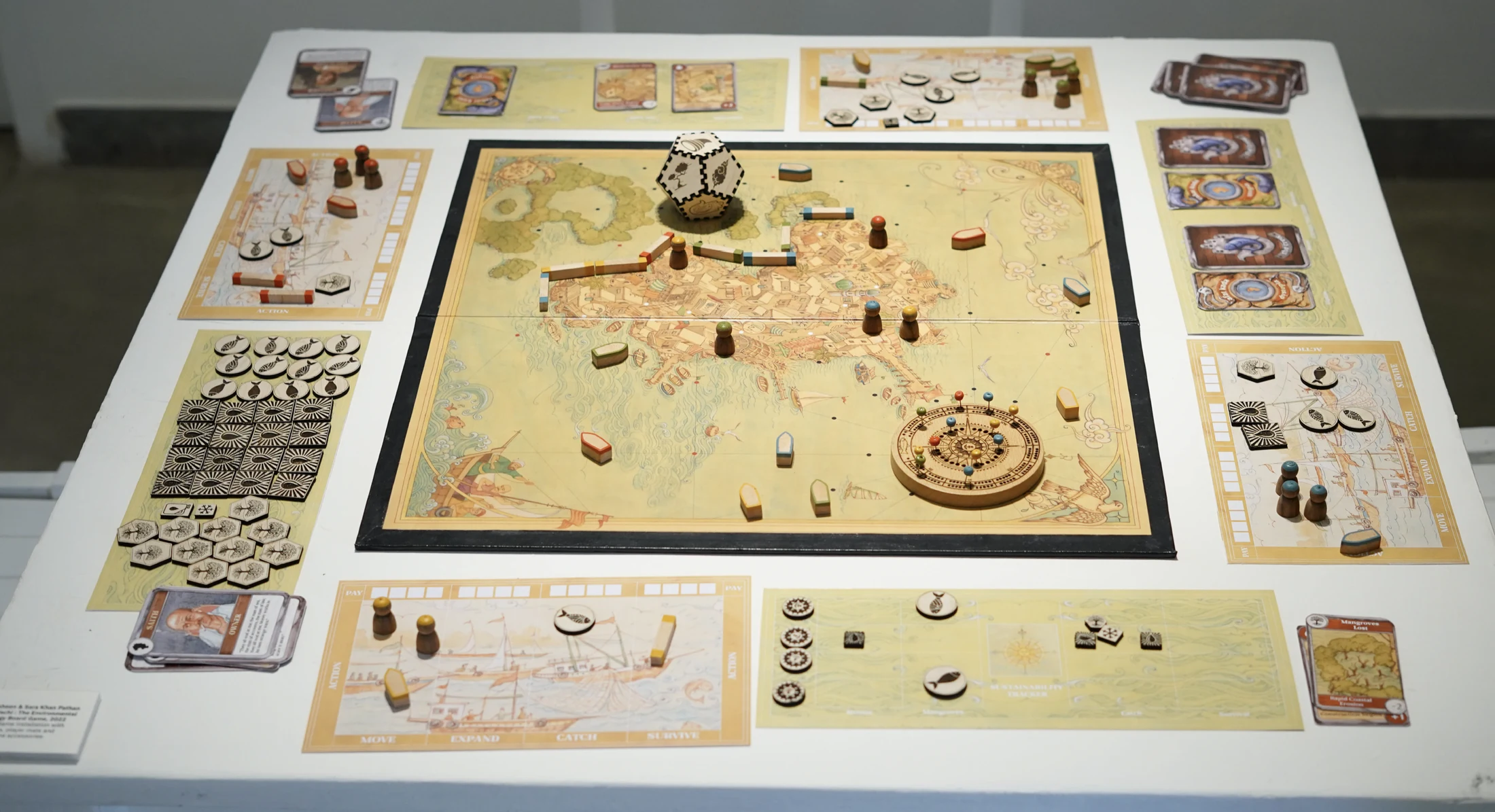
Machi Wachi is an environmental strategy game in which the players take the future of the island in their hands. Their main task is to survive while accumulating natural resources responsibly. The components of the game connect the players with their own utopian aspirations and dystopian future to navigate various socio-ecological forces at play as an active participants within the local community.
The project reimagines the idea of a utopian island through unpublished testimonies and multigenerational stories of the indigenous fisherfolk communities using archives, maps and personal conversations with the islanders.
The board game acts as a storytelling interface for reflection and ecological understanding about scarcity of natural resources around the island due to excessive dredging, sea level rise, deforestation, oil spills, overfishing, coastal erosion, terrors of technology, real estate dreams and short-term development goals. In Machi Wachi, players take the future of the island into their hands. Their main task is to survive while accumulating natural resources responsibly. To succeed, players must collect resources in the form of fish, water, fuel, ice and sea wall that will allow them to explore sea routes, catch fish and survive calamities.
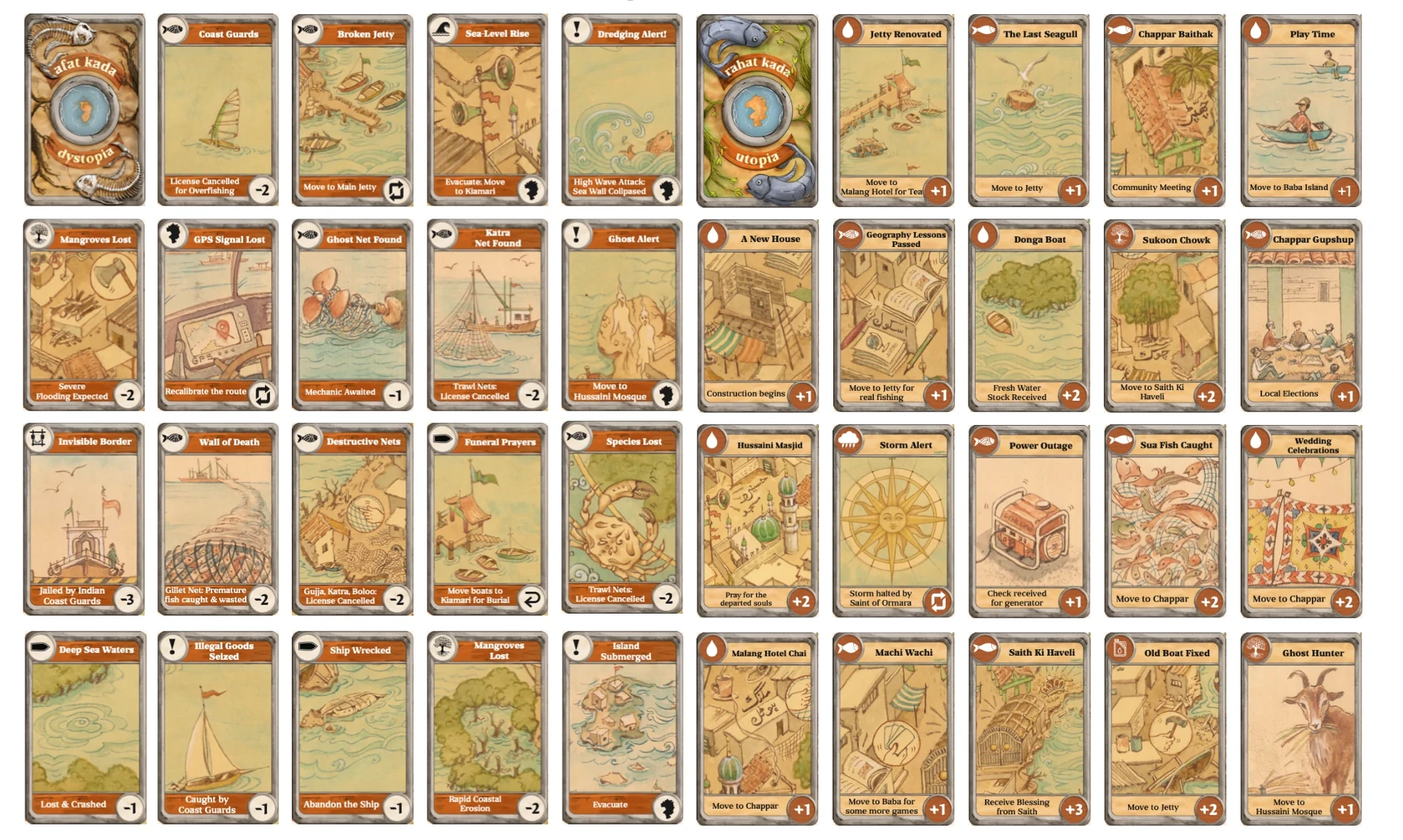
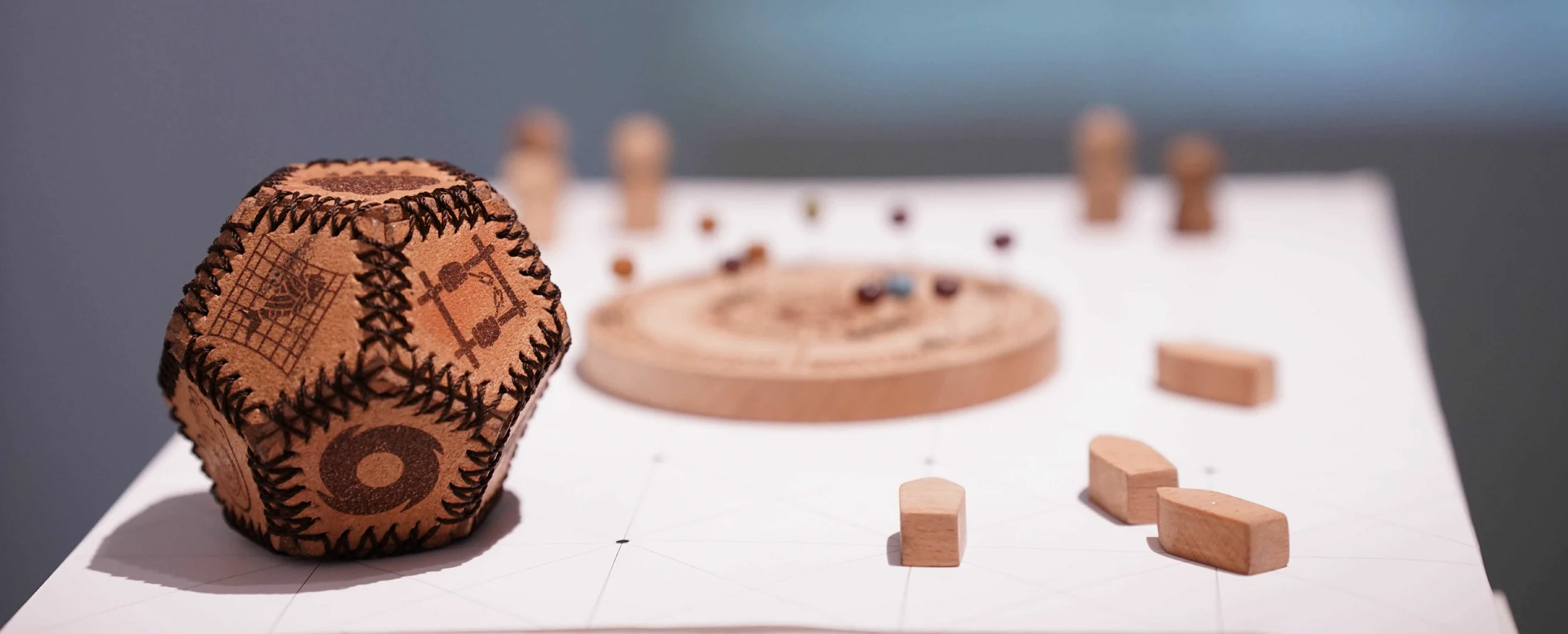
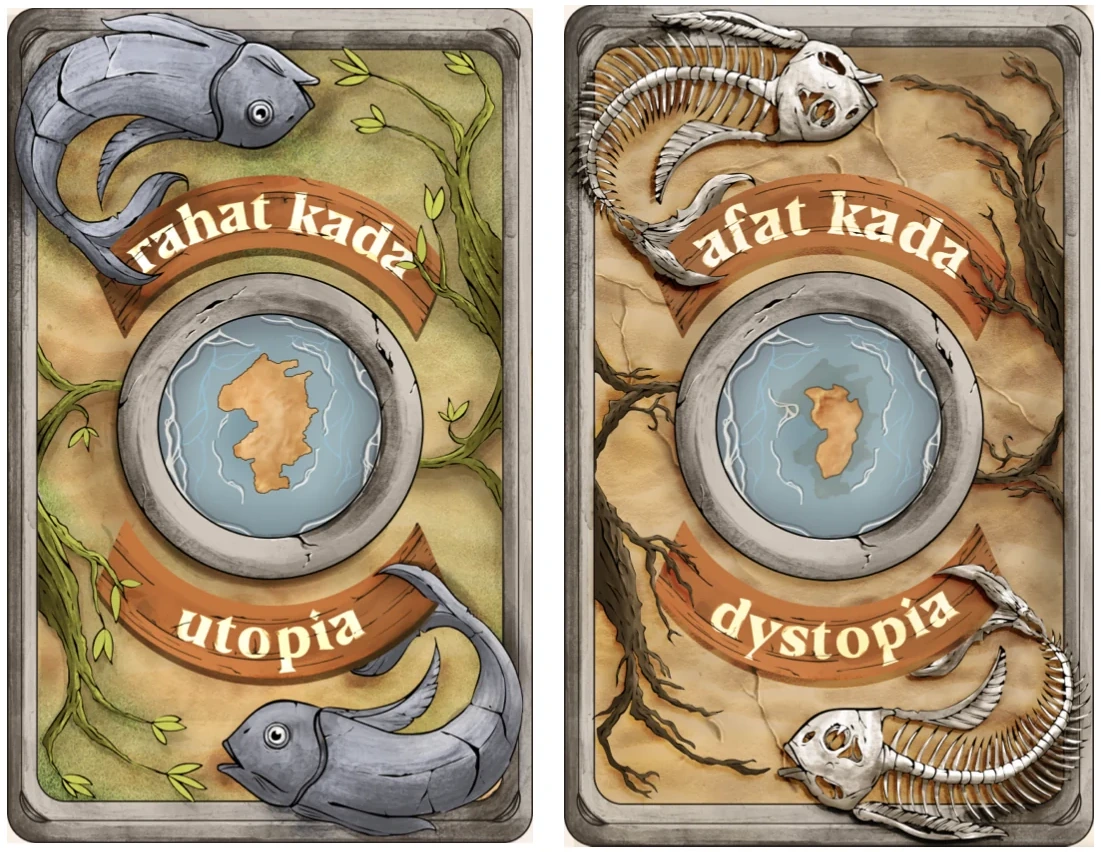
The game components include a map of the island, Rahat Kada (Utopia) and Afat Kada (Dystopia) situational cards, character cards with responsibility hierarchies on ship, a survival dice with weather conditions, and a traverse board inspired from ancient navigation tools and record keeping techniques used by sailors to keep track of their sea routes. These components connect the players with their own utopian aspirations and dystopian futures to navigate various socio-ecological forces at play, as an active participant within the fisherfolk community.
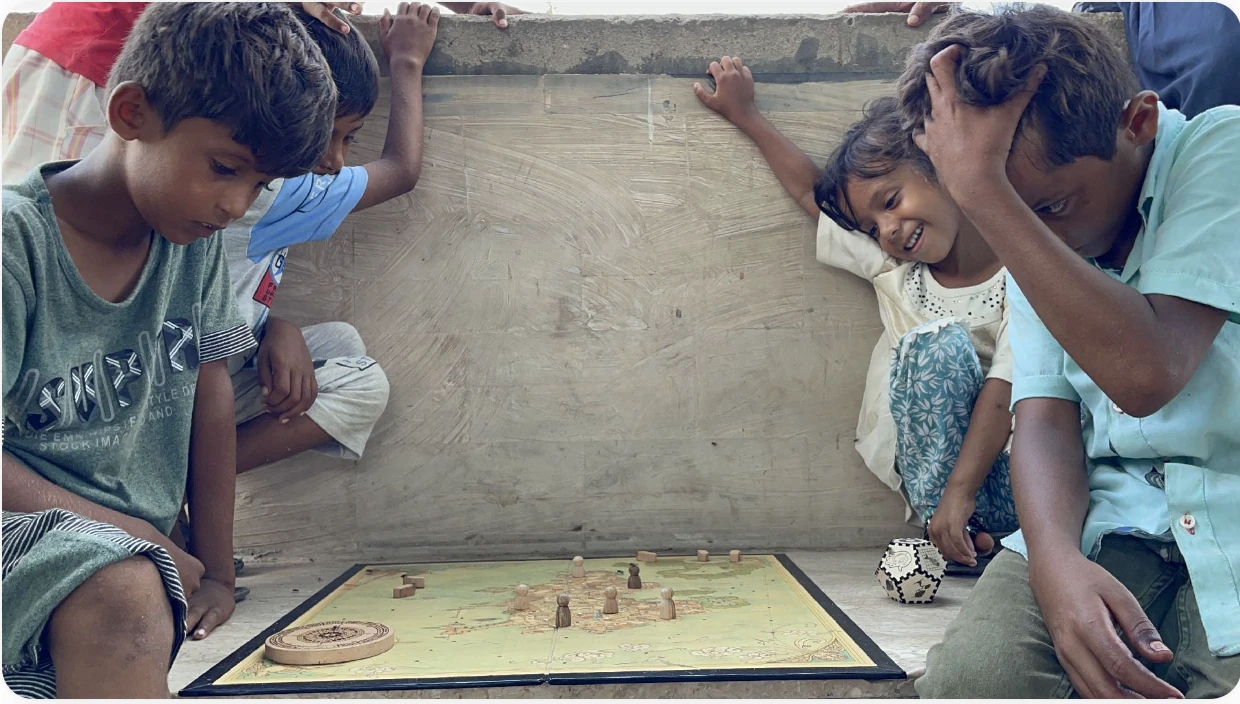
Testing out the game with the residents and local politicians brought out more stories that would otherwise remain completely lost, since they are missing from conventional discourse, documentation and research on coastal communities. We hope that, through this ongoing research and board game, the stories of our collective vulnerabilities will help us reconfigure our ecological worldview, values and mindset towards an invisible apocalypse staring at us.